TL;DR:
- Choosing a reliable pick pack company ensures brand reputation, accuracy, and customer satisfaction.
- Key criteria include technology integration, scalability, transparency, and customization services.
- Long-term partners prioritize reliability, proactive support, and seamless integration over just price and speed.
Choosing the wrong pick pack company can quietly erode your brand’s reputation before you even notice. Missed orders, incorrect items, and slow dispatch times frustrate customers and drive them to competitors. For e-commerce brands and omnichannel retailers, the stakes are high. Your fulfilment partner is, in many ways, the face of your business at the moment it matters most. This guide walks you through the criteria that separate reliable providers from risky ones, highlights leading companies worth considering, and gives you a practical framework for matching your specific needs to the right partner.
Table of Contents
Key Takeaways
| Point |
Details |
| Choose by priorities |
Identify what matters most—accuracy, tech, or cost—before shortlisting providers. |
| Compare capabilities |
Use a side-by-side comparison to match company strengths with your e-commerce needs. |
| Factor in future growth |
Pick a provider that can scale with your order volume and manage seasonal peaks. |
| Reliability trumps speed |
Consistent accuracy and error reduction outweigh flashy claims of ultra-fast delivery. |
What to consider when choosing a pick pack company
Selecting a pick pack partner is not simply about finding the cheapest rate. The right provider will protect your brand, support your growth, and keep your customers coming back. Here is what to evaluate before signing any agreement.
Core service offerings
Speed and accuracy are non-negotiable. A provider should be able to demonstrate their average order processing time and their error rate. Beyond the basics, consider whether they offer customised packaging, kitting, or gift wrapping. These services can meaningfully differentiate your brand at the point of delivery.
Technology integration and inventory visibility
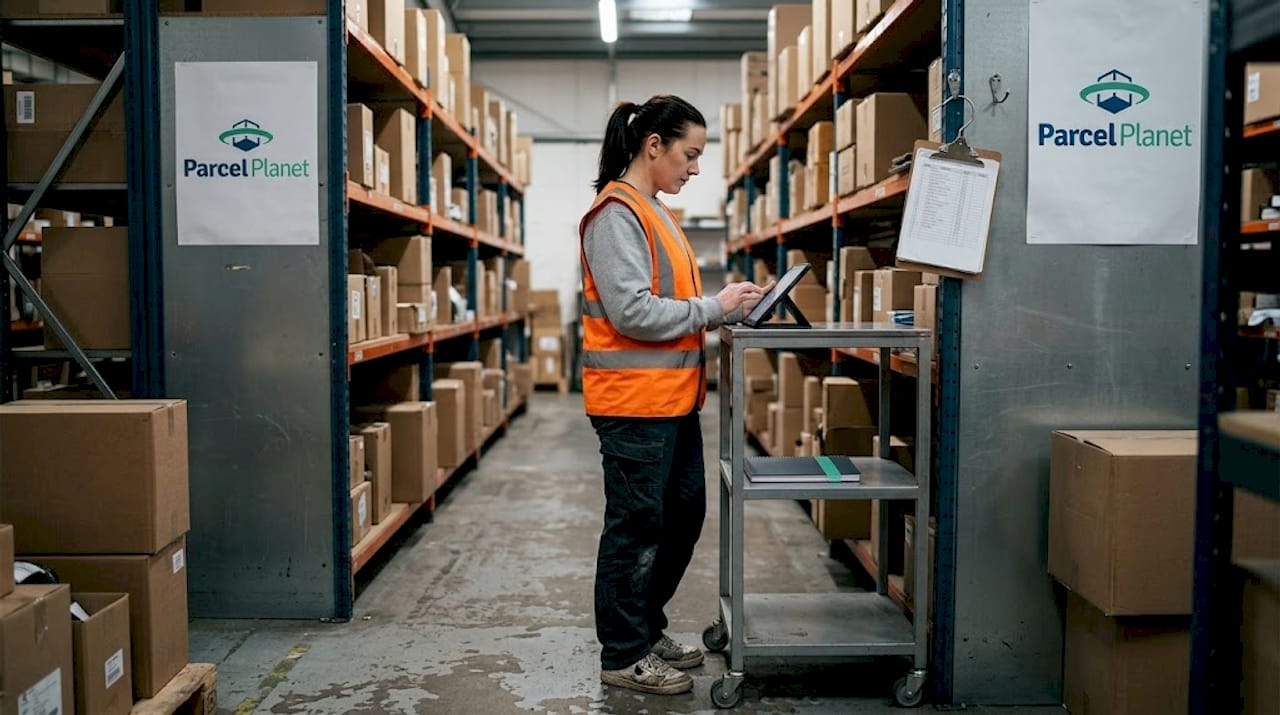
Real-time inventory visibility is essential. Inaccurate inventory, human error, and poor data can create costly stockouts and delays that damage your sales and customer trust. Look for providers that integrate directly with your e-commerce platform, whether that is Shopify, WooCommerce, or another system. Seamless data flow reduces manual intervention and the errors that come with it.
Scalability
Your fulfilment partner must grow with you. Seasonal spikes, flash sales, and product launches all demand flexible capacity. Review our scalable logistics growth guide for a deeper look at how to plan for volume changes without disrupting service. Ask providers how they manage sudden surges and whether they have a track record of maintaining accuracy during peak periods.
Cost structures
Transparency matters. Some providers quote attractive headline rates but add fees for storage, returns, or special handling. Request a full breakdown of all potential charges before committing. Compare total cost of service, not just the pick and pack fee.
Here is a quick checklist of criteria to cover in your evaluation:
- Order accuracy rate and SLA commitments
- Technology stack and platform integrations
- Scalability for peak demand and growth
- Full cost transparency with no hidden fees
- Returns management capability
- Customer service responsiveness
Also review our ecommerce logistics checklist to ensure you have covered every operational angle before making your decision.
“The right fulfilment partner does not just ship orders. They protect your brand reputation with every parcel they send.”
Pro Tip: Ask every provider how they handle stockouts and what their escalation process looks like during peak trading periods. Their answer will tell you a great deal about their operational maturity.
Top pick pack companies for e-commerce brands
With selection criteria established, let’s look at industry leaders who stand out across these dimensions. The market includes a range of providers, from large global operators to specialist boutique fulfilment houses. Each suits a different type of business.
ShipBob
ShipBob is a well-known US-founded provider with a growing international presence. Their technology platform is strong, offering real-time inventory tracking and direct integrations with major e-commerce platforms. They suit mid-sized brands with consistent order volumes and a need for distributed fulfilment across multiple warehouse locations. Their dashboard gives merchants clear visibility over stock levels and order status.
Whiplash
Whiplash focuses heavily on apparel and lifestyle brands. Their strength lies in handling complex SKU catalogues and offering branded packaging options. For brands where the unboxing experience matters, Whiplash is a solid contender. They also support omnichannel fulfilment, making them suitable for brands selling across both online and physical retail channels. Explore outsourced fulfilment benefits to understand why outsourcing to a specialist like this can accelerate growth.
Fulfillment by Amazon (FBA)
FBA remains a dominant option for brands selling heavily on Amazon’s marketplace. The network reach is unmatched, and Prime eligibility can significantly boost conversion rates. However, FBA offers limited flexibility for customisation and can be costly for lower-margin products. It is best suited to brands whose primary sales channel is Amazon.
Human errors such as confusing similar SKUs often disrupt fulfilment workflows for online sellers. Providers with strong automation and barcode scanning technology dramatically reduce this risk. When evaluating any provider, ask specifically about their error-detection processes.
For brands looking to scale efficiently, consider reviewing scalable logistics solutions that align with your growth trajectory.
Pro Tip: If your products are heavy, fragile, or irregularly shaped, prioritise providers that use automation for picking and packing. Automated systems reduce damage rates and handling errors considerably.
Pick pack company comparison table
Having explored individual strengths, here is an at-a-glance comparison to help with direct evaluation. Peak surges and labour shortages can critically affect fulfilment speed and accuracy, so understanding how each provider handles these pressures is vital.
| Provider |
Accuracy rate |
Order speed |
Tech integration |
Scalability |
Customisation |
| ShipBob |
Very high |
Fast |
Excellent |
Strong |
Moderate |
| Whiplash |
High |
Fast |
Good |
Moderate |
Excellent |
| FBA |
Very high |
Very fast |
Amazon-native |
Excellent |
Limited |
| ParcelPlanet |
Very high |
Fast |
Excellent |
Excellent |
Excellent |
Review our warehouse optimisation guide to understand how warehouse layout and process design directly influence the accuracy and speed scores you see above.
Here are the standout features to look for when scanning provider capabilities:
- Real-time inventory dashboards that sync with your sales channels
- Barcode and scan verification at pick and pack stages
- Returns processing that feeds directly back into available stock
- Flexible storage options for seasonal or growing SKU ranges
- Dedicated account management for proactive issue resolution
Small brands benefit most from providers with low minimum order requirements and flexible contracts. Scaling brands need providers with multi-warehouse networks. Omnichannel retailers require partners who can handle both B2C and B2B despatch from a single inventory pool.
Situational recommendations: which pick pack company is right for you?
To make your decision easier, let’s match provider strengths to the needs typical to different e-commerce brands. Balancing order speed with accuracy is a constant challenge in e-commerce fulfilment, and the right provider depends heavily on your specific operational pressures.
- High volume and flash sales brands: You need a provider with proven surge capacity and fast despatch SLAs. ShipBob and FBA both handle volume well, but confirm their peak-period performance data before committing.
- Subscription and recurring order brands: Consistency and kitting capability matter most here. Look for providers with dedicated subscription fulfilment workflows and the ability to customise inserts and packaging each cycle.
- Omnichannel brands with physical and online presence: You need a partner who can manage both retail replenishment and direct-to-consumer orders from one inventory pool. Whiplash and ParcelPlanet both support this model effectively.
- Small brands with rapid growth: Prioritise flexibility and low barriers to entry. A provider that scales with you, rather than one that requires large volume commitments upfront, will serve you better as you grow.
Also consider how your ecommerce packaging solutions strategy aligns with your provider’s capabilities. Packaging is often an afterthought, but it directly affects damage rates and customer perception.
| Business scenario |
Best-fit provider type |
Key priority |
| Flash sales and high volume |
Large network provider |
Speed and surge capacity |
| Subscription boxes |
Specialist kitting provider |
Consistency and customisation |
| Omnichannel retail |
Multi-channel 3PL |
Unified inventory management |
| Rapid growth startup |
Flexible 3PL |
Scalability and low minimums |
Pro Tip: Do not just assess a provider for your current needs. Ask how they have supported other brands through rapid growth phases. Their past performance is the best indicator of how they will support your future.
Why the best pick pack partner goes beyond price and speed
Here is something we have observed working with brands across multiple fulfilment partnerships. The providers that consistently deliver results are not always the fastest or the cheapest. They are the most reliable and the most proactive.
A provider who spots a potential stockout before it becomes a problem, flags a packaging issue before it causes damage claims, or reaches out ahead of a peak period to confirm capacity is worth far more than one who simply processes orders. That kind of partnership is genuinely rare, and it is what separates average fulfilment from excellent fulfilment.
Technology plays a central role here. Real-time inventory visibility, automated error-checking, and integrated reporting reduce the margin for human error and give your team the data needed to make good decisions quickly. The benefits of customised packaging are also part of this picture. A partner who supports your brand presentation, not just your logistics, adds genuine long-term value.
Long-term partnerships also outperform short-term transactions. When a provider understands your catalogue, your customers, and your seasonal patterns, they make fewer mistakes and solve problems faster. Switching providers frequently costs more than most brands realise, both in operational disruption and in the learning curve each new partner requires.
Partner with experts for seamless pick and pack fulfilment
If you are ready for reliable, scalable, and tech-enabled pick pack expertise, we can help.

At ParcelPlanet, we combine advanced technology, operational experience, and genuinely flexible solutions to support brands of every size. Whether you are managing steady daily orders or preparing for your biggest sales period yet, our order fulfilment services are built to keep your customers happy and your operations running smoothly. Not sure where to start? Learn more about what order fulfilment involves and how the right partner can transform your brand’s growth. Get in touch today for a tailored quote.
Frequently asked questions
What is a pick pack company?
A pick pack company is a third-party fulfilment service that handles order selection, packing, and shipping on behalf of e-commerce brands, allowing them to focus on growth rather than logistics.
Why is accurate inventory so important in pick packing?
Inaccurate inventory leads to costly stockouts in pick pack operations, causing delays and disappointing customers who expect their orders to arrive correctly and on time.
How do I know if I should outsource pick pack services?
If your order volume is growing, errors are increasing, or fulfilment is consuming too much of your team’s time, outsourcing to a specialist provider offers greater reliability, scalability, and often lower overall cost.
What features should I prioritise in a pick pack provider?
Labour shortages, peak surges, and poor product data create major pick pack challenges, so prioritise providers with strong automation, platform integrations, proven accuracy rates, and a clear track record of handling high-demand periods.
Recommended


